

A friend recently shared a story with me that caught my attention. He wanted to put a new print in...



A friend recently shared a story with me that caught my attention. He wanted to put a new print in...

Invoice disputes are a common but costly reality of doing business. They can stem from minor issues like missing purchase order numbers or escalate into complex disagreements over pricing, delivery terms, or quantities

Many manufacturers reach a point where growth outpaces their systems. Success relies not just on people, but on turning expertise into scalable assets. The next frontier is building resilient businesses where knowledge lives in systems, not just in minds.

For the complex demands and unique challenges of Engineer-to-Order (ETO) manufacturing, advanced project management tools integrated with a world-class ERP system, delivers specialised capabilities like dynamic scheduling, granular financial tracking, and enhanced compliance.

Implementing ERP for discrete manufacturing can be a transformative step for businesses aiming to improve efficiency and streamline operations. However, ensuring a smooth and successful implementation requires a well-planned approach. In this guide, we’ll cover the best practices for implementing discrete manufacturing systems to maximise their business transformation potential.
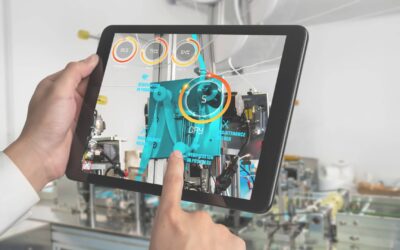
By implementing ERP solutions for manufacturing, businesses can experience significant improvements in efficiency, supply chain management, decision-making, quality control, and scalability. Whether you’re a small manufacturer or a large-scale operation, an ERP for the manufacturing industry can help your business operate more smoothly and grow effectively.

This article explores 8 key reasons why Epicor Kinetic ERP stands out as the top choice for product-centric businesses. With industry-specific functionality, a cloud-native architecture, and data-driven insights, Epicor Kinetic empowers manufacturers, distributors, and retailers to optimise operations and drive growth.
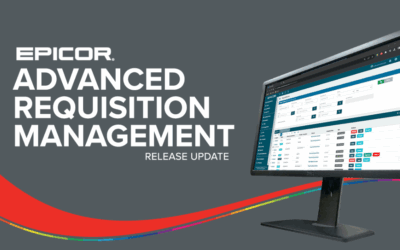
Epicor Advanced Requisition Management (ARM) 2024.2.1 introduces powerful new features to streamline procurement and accounts payable. Highlights include a new Requester feature for centralised request management, AI-powered Smart Risk Analysis for proactive fraud detection, and vendor-specific search filters.

This article explores the critical distinction between ERP features and functions, and how understanding this difference has empowered businesses like Milne Agrigroup, Steel Blue, KLINGER, and Hypex Electronics to maximise the value of their ERP systems, leading to streamlined operations, improved decision-making, and driving growth.

Bruce Rock Engineering shined at the recent Epicor Insights ANZ Conference 2024 taking out the Manufacturing Champion Award 2023. BRE’s strategic decision to implement Epicor Kinetic two years ago has transformed their operations, propelling them to greater efficiency and competitiveness.

ERP migration is a transformative process that can propel businesses toward greater efficiency and competitiveness. By adopting a strategic approach and leveraging the expertise of an ERP implementation partner, companies can navigate the complexities of migration, ensuring a smooth transition from legacy systems to modern ERP solutions.

In the ETO manufacturing industry, where customisation and precision are paramount, an ETO ERP solution is an indispensable tool for achieving excellence and staying competitive by providing better visibility and control over all aspects of manufacturing.
Choosing the right Engineer-to-Order software is vital for ETO manufacturers due to the unique challenges of custom product development. A tailored ETO ERP solution like Epicor Kinetic ERP ensures manufacturers can adapt quickly to design changes, meet strict deadlines, and manage variances without compromising quality.