

Every business experiences growth and change, and it’s important that the tools you use can adapt to these shifts. One of the most versatile solutions available is Epicor Kinetic ERP, designed to support businesses as they evolve.
Every business experiences growth and change, and it’s important that the tools you use can adapt to these shifts. One of the most versatile solutions available is Epicor Kinetic ERP, designed to support businesses as they evolve.

For the complex demands and unique challenges of Engineer-to-Order (ETO) manufacturing, advanced project management tools integrated with a world-class ERP system, delivers specialised capabilities like dynamic scheduling, granular financial tracking, and enhanced compliance.
Implementing ERP for discrete manufacturing can be a transformative step for businesses aiming to improve efficiency and streamline operations. However, ensuring a smooth and successful implementation requires a well-planned approach. In this guide, we’ll cover the best practices for implementing discrete manufacturing systems to maximise their business transformation potential.
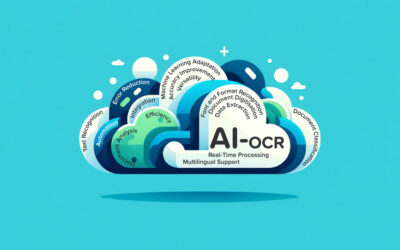
When large volumes of invoicing are required, AI-enhanced OCR is better equipped than traditional OCR to handle the complexities and variations encountered in financial documents. This capacity to automatically capture, extract, and validate data from PO invoices, and match to PO receipts, enables businesses to process invoices more efficiently, reduce errors, and gain better visibility into their financial obligations.

ERP software developers are keeping pace with advanced technologies by innovating and adapting ERP solutions to meet evolving industry challenges and demands. The future of AI in ERP software is a journey marked by continuous evolution and rapid growth—forecasts predict the AI market will increase twentyfold by 2030.

Predictive maintenance and ERP integration enhances an organisation’s ability to make informed decisions, optimise maintenance resources, reduce downtime, and ultimately improve the overall reliability and efficiency of its operations.

Rapid evolution is the norm in the world of business technology, and future ERP technology is at the forefront of this transformation. Each advancement is not just an upgrade but a leap towards a tomorrow where these systems are streamlined, intuitive, and indispensable to modern business strategy.
Is it time for your business to banish the ghosts of the past and embrace ERP modernisation? ERP systems that no longer meet the needs of modern organisations are not just a source of frustration and significant challenge; they can haunt your business operations in truly frightening ways.
An ERP system with embedded CRM functionality, and ERP with integrated CRM functionality, are two approaches to combining ERP and CRM capabilities within a single software environment. The choice between the two approaches depends on factors like the level of customisation required, and the overall technical and operational preferences of the organisation. Is your business leveraging ERP and CRM for sustainable growth?

It’s crucial to grasp the potential consequences of security breaches and data leaks within your ERP system. Recognising potential threats is the first step toward fortifying ERP security so let’s dive into the common security risks you need to be aware of.
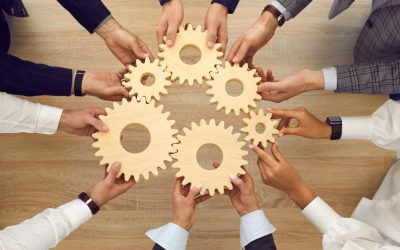
Businesses are becoming savvier around how to realise a faster time-to-value for their digital transformation technology investment. They are recognising the advantages of partnering with an ERP consultant to help them navigate the risks and challenges across the phases of an ERP purchase and implementation journey (and beyond) to maximise ERP benefits.
Procurement is an integral part of a company that involves operations, finance, logistics management, supply chain, and vendor relationships. Procurement thinkers understand digital technology is key to unlocking mutual benefits from these business areas while mitigating ongoing external risks.

The convergence of ERP and embedded big data analytics, offers tailored solutions that align with organisational nuances, industry dynamics, and market demands.